


Product added to cart
How We Turn Excess PE Foam into Football Fields
0%
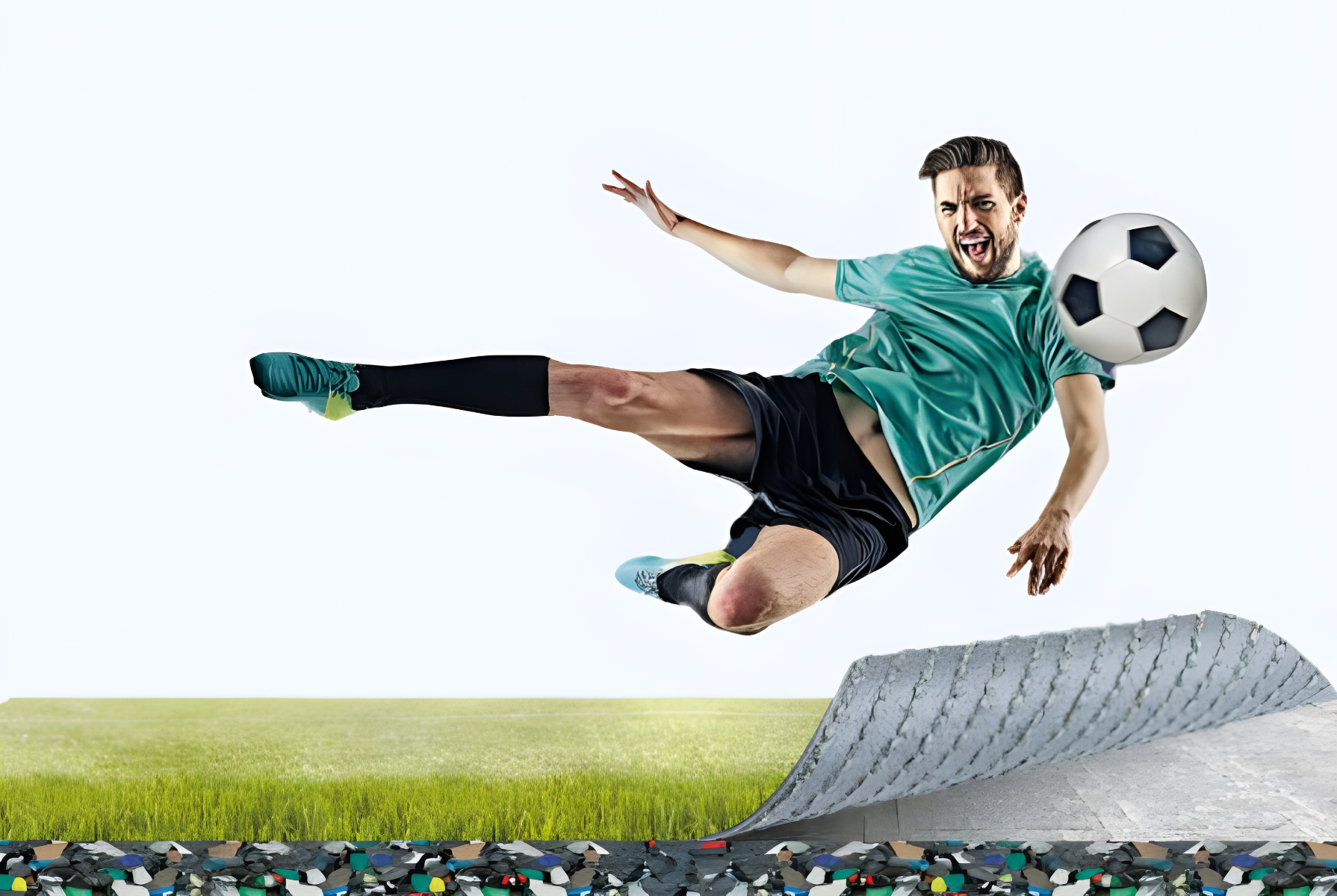
PE foam is a versatile material that can be used to protect valuable objects. However, it is also a material that can lead to waste during the production of various foam products. Some companies send their foam scraps to the landfill - we don't.
At Linde Larsen Flightcases International A/S, we are constantly searching for new ways to produce more responsibly. Read along and find out how foam scraps from our production are transformed into football fields instead of ending up in a landfill.
What is PE foam?
PE foam is a plastic material that has all the right properties to protect valuable items. PE foam is great for:
- Absorbing shock from impact
- Protecting against heat, moisture, dust, and other external elements
- Transportation purposes due to its low weight
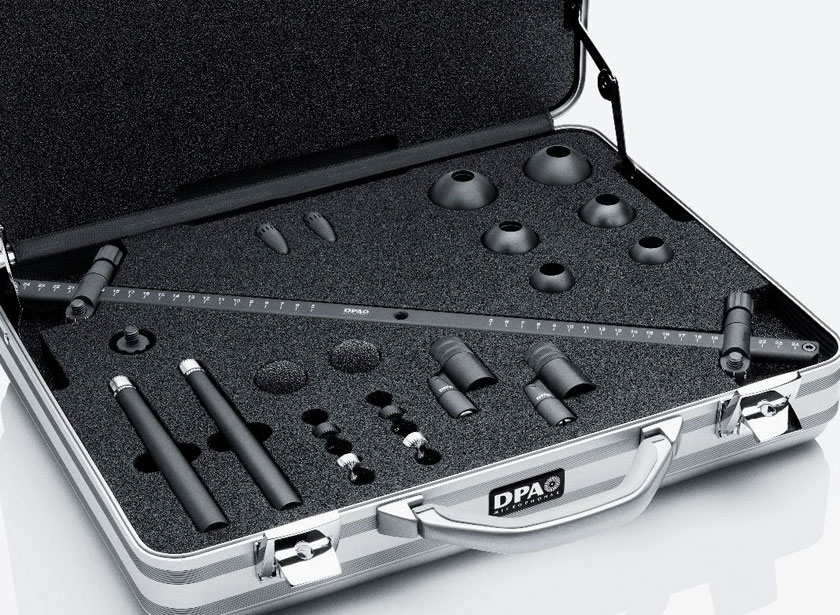
Foam has many applications. In the industries, it can be used as insulation material and for packaging, and in everyday items to create mattresses, footwear, and more. At Linde Larsen Flightcases International A/S, we use it to make custom foam inserts and interiors for cases.
How does the lifecycle of PE foam look?
Polyethylene, the raw material used to make PE foam, is processed and made into various sizes, shapes, and types of foam with different applications. However, as with any other material, it has an expiration date. This happens as the foam loses its properties through:
- Compression: PE foam is light, soft, and squishy because there’s air trapped in it. With use, it will lose its ability to trap the air molecules and will become decompressed and less elastic, losing its protective, cushioning capabilities.
- Material breakdown: Shifting temperatures, UV light, and exposure to the elements can cause cracking and crumbling of the foam with time.
- Wear and tear: When the foam is subjected to use, the contents it is protecting can wear it down or make cuts into it, degrading its ability to protect the contents properly.
Once PE foam reaches the end of its life cycle, the old way is to send it to a landfill. However, we do things differently here at Linde Larsen Flightcases International A/S.
How are we recycling PE foam?
Instead of sending excess PE foam to the landfills, we send it to Schmitz Foam, a company specialized in recycling foam to give it new life.
1. Shredding
Every time we have a foam offcut, we put it in a shredder.
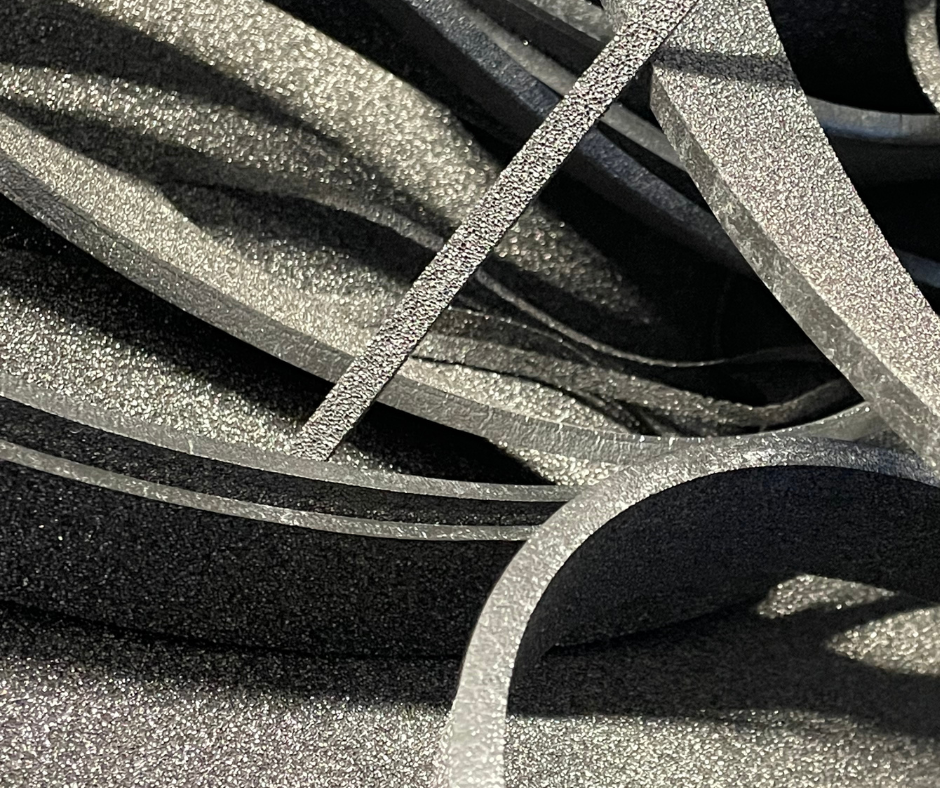
2. Collection
The shreds are funneled to a container. Once a week, Schmitz picks up a full shipping container of shredded foam from us and brings it to their processing plant in the Netherlands.

3. Cleaning
The PE foam is cleaned from dirt, adhesives, labels and similar things.

4. New product
Schmitz Foam turn the shreds into sheets.

What is our recycled foam used for?
Schmitz specializes in using recycled foam for nothing less than… football fields!
The recycled foam sheets, called ProPlay shock pads, are laid out to form the base of the artificial football field.
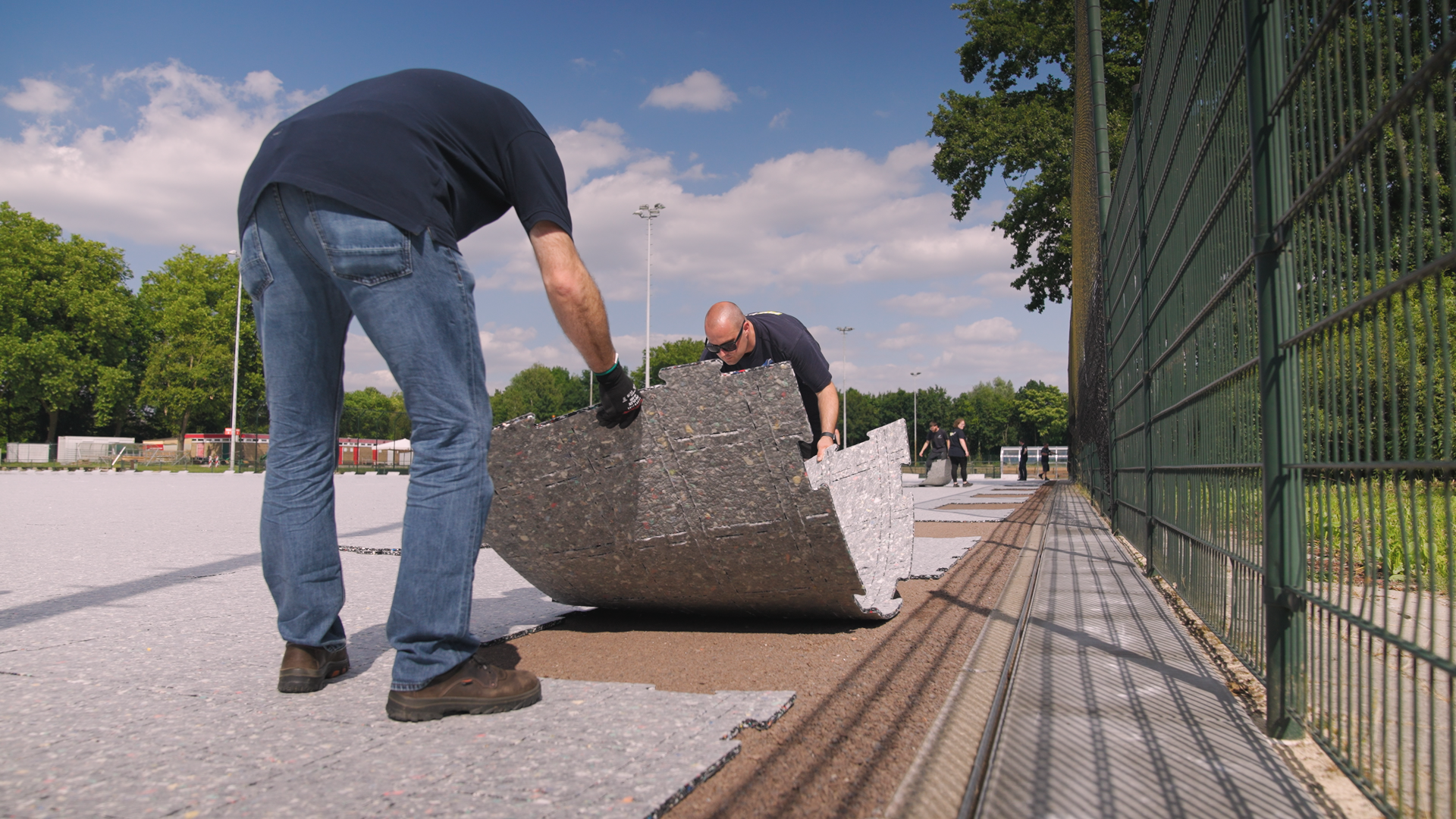
Artificial grass is layered on top of the ProPlay shock pads, and the football field is ready for play!

Why is PE foam great for football fields?
With all the applications we have learned PE foam can be used for, why then football fields? Well, while the shredded foam is reusable, it may not be feasible to turn it into conventional foam products due to its look and shape. Instead of starting the energy-costly process of turning the scraps into new, raw material, they can be used as they are.
This is because the base of an artificial football field doesn’t care about the look and shape of the foam scraps - it just needs the properties of the material. The recycled foam sheets are ideal for a football field as:
- Water can run through
A football field can be subjected to a lot of water during rainfall. The ProPlay shock pads, Schmitz make of our used foam allow for great vertical drainage so that water can run through the football field instead of flooding it.
- It provides fall protection
Imagine playing rugby on a traditional field in a cold climate. You are tackled and you crash into the cold, hard ground. Not very nice, huh? With Schmitz ProPlay foam shock pads underneath the top grass layer, the fall is softened as you land on cushioning foam.
- It can create a flat, stable surface
On a natural football field, there can be holes in the ground and flooded areas. Since shock pads for artificial fields are made of shredded foam in similar sizes, the base layer is even and makes for a smooth top grass layer, and thus an even playing experience.
Converting PE foam scraps to football fields is not just possible in theory. Schmitz Foam has recycled in this way for decades, saving more than 10.000 containers of PE foam yearly from ending up in the landfill. From local playgrounds to olympic stadiums, recycled foam protects players from injuries and the environment from overconsumption across the globe.
What happens when the football fields have served their purpose?
Schmitz ProPlay shock pads come with a warranty of 25 years. When they reach the end of their life cycle, they are shipped back to Schmitz to get a new life once again - a closed-loop system that has been a game changer in the foam industry,
It allows companies like ours to give scraps new life instead of sending them to the landfill, effectively making us go from 100% waste to 0% waste in our foam production and contributing to safer, healthier sports. A true win-win situation.

Scoring Global Goals on recycled football fields
At Linde Larsen Flightcases International A/S, we are constantly working towards decreasing our energy consumption, making our production more responsible and protecting the environment in line with the UN Global Goals.
Recycling PE foam is important to us. We don’t stop there, though. Our goal is to make both our foam and our cases as sustainable as possible. That’s why we are also innovating to make more sustainable protective cases. Our EKO series is made of 100% recycled plastics. You can check those out right here.

